
Heart disease has quietly become one of the leading health concerns around the world, including in Malaysia. Many people assume heart problems only happen to the elderly or to those with serious medical conditions, but in reality, cardiovascular issues often develop slowly and silently over many years. By the time symptoms appear, the disease may already be advanced.
This is why cardiovascular screening is so important. Screening tests help detect early risk factors, identify potential heart conditions before they become serious, and allow individuals to take preventive action long before complications arise. Whether you are young and healthy or managing existing risk factors such as high blood pressure, diabetes, or high cholesterol, understanding the right tests can make a significant difference.
This article explains the most important cardiovascular screening tests, what they measure, and why they matter. It is designed to be clear, practical, and helpful for anyone who wants to take charge of their long-term heart health.
1. Why Cardiovascular Screening Matters
The heart works nonstop from the day we are born. Over time, lifestyle choices, genetics, stress levels, and underlying medical conditions can gradually affect its function. Many cardiovascular diseases, such as atherosclerosis (narrowing of the arteries), high blood pressure, and rhythm disorders, may not cause noticeable symptoms in the early stages.
Screening helps to:
- Detect silent risk factors early
- Prevent complications such as heart attack or stroke
- Provide a clearer picture of your overall heart health
- Allow timely lifestyle or medical interventions
- Track changes over time for individuals with known risks
Even one screening session can offer valuable insight into your cardiovascular status.
2. Who Should Get Screened?
While everyone benefits from basic heart screening, the following groups have higher priority:
- Adults aged 35 and above
- Individuals with family history of heart disease
- Those who smoke or vape
- Individuals who are overweight or obese
- People with high blood pressure
- People with high cholesterol
- Individuals with diabetes
- Those under high stress or with sedentary lifestyles
However, even younger adults can consider screening, especially if they have lifestyle risks or want to build a baseline for future comparison.
3. Key Cardiovascular Screening Tests
A. Blood Pressure Test
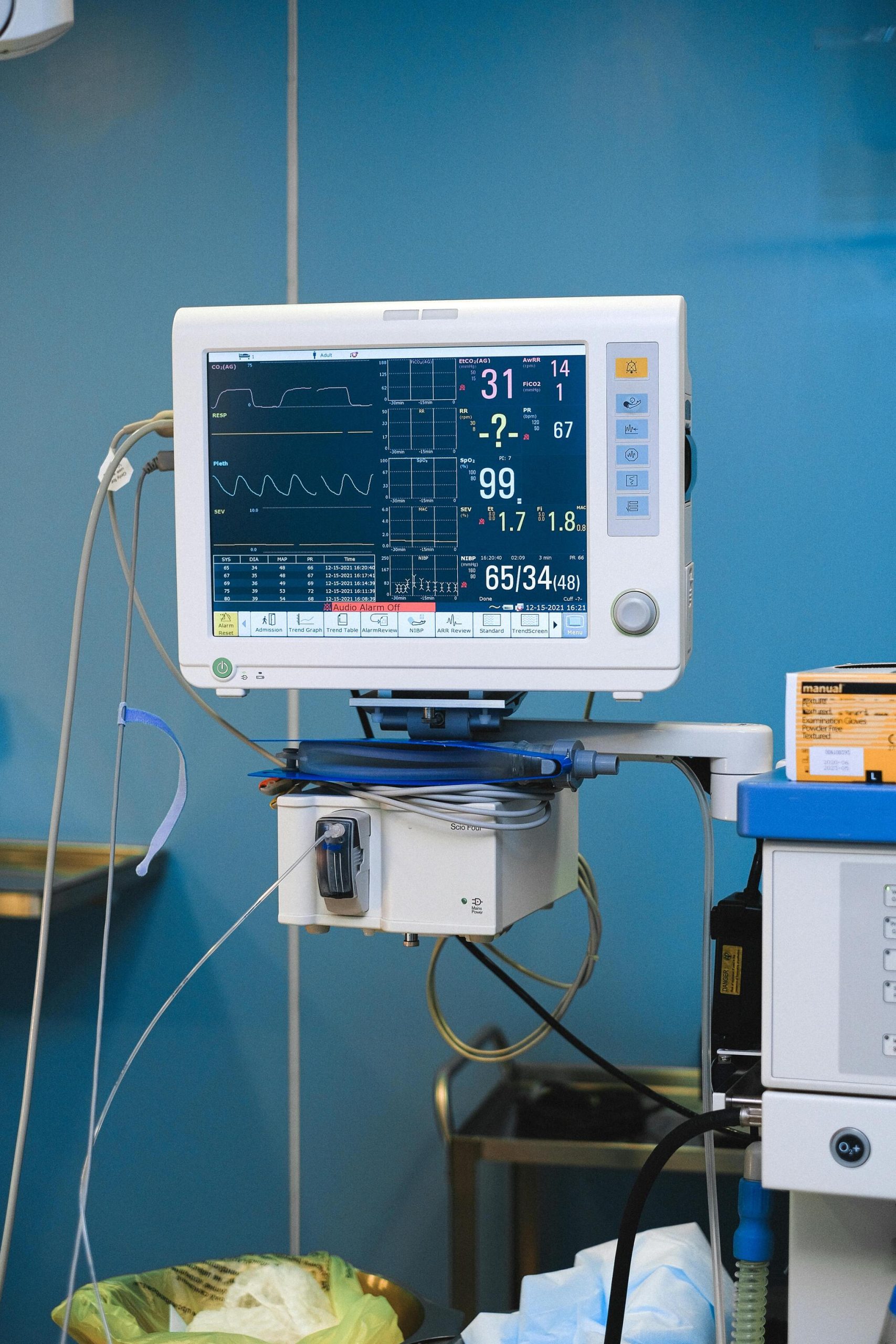
Blood pressure measurement is one of the simplest yet most powerful indicators of heart health. High blood pressure (hypertension) often has no symptoms but can significantly increase the risk of heart attack, stroke, and kidney disease.
A healthy reading is usually around 120/80 mmHg, though this may vary depending on age and overall health.
Why it’s important:
Uncontrolled hypertension damages blood vessels over time, leading to serious complications.
B. Cholesterol Profile (Lipid Panel)
A cholesterol test measures:
- LDL (bad cholesterol)
- HDL (good cholesterol)
- Triglycerides
- Total cholesterol
High levels of LDL or triglycerides can cause plaque buildup in blood vessels, reducing blood flow to the heart and brain.
Why it’s important:
High cholesterol is one of the strongest predictors of heart disease. It is easy to test and can be well controlled through diet, exercise, and medical advice.
C. Blood Sugar (Glucose Test)
High blood sugar levels may indicate prediabetes or diabetes — both of which can severely damage blood vessels and increase the risk of heart disease.
Fasting glucose or HbA1c (three-month average) are commonly used.
Why it’s important:
Diabetes significantly accelerates cardiovascular damage. Early detection allows better control.
D. Electrocardiogram (ECG)
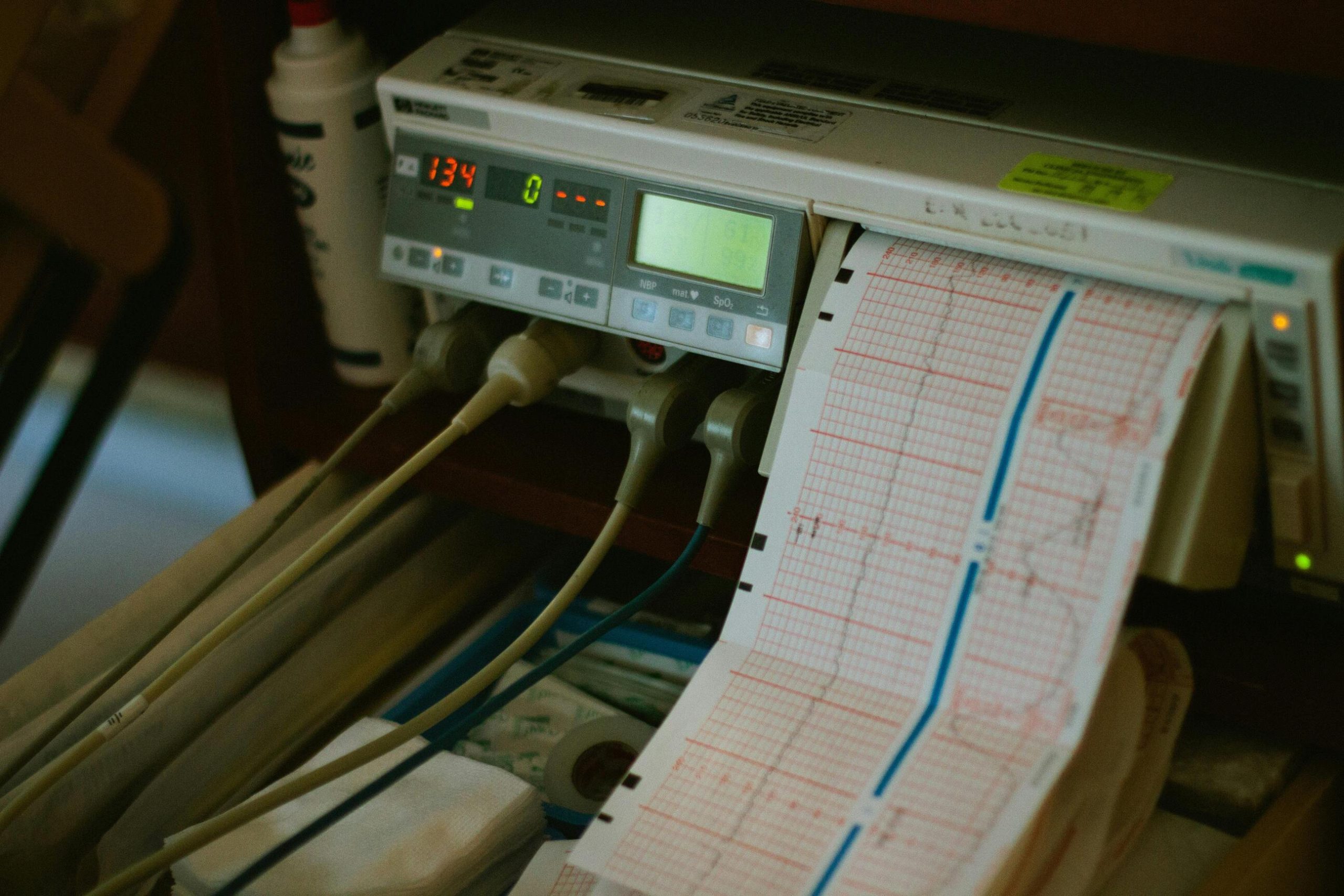
An ECG records the electrical activity of the heart. It helps detect:
- Abnormal heart rhythms
- Previous silent heart attacks
- Thickening of the heart muscle
- Certain structural abnormalities
The test is painless and takes only a few minutes.
Why it’s important:
It is one of the easiest ways to identify heart rhythm problems and potential warning signs.
E. Echocardiogram (Heart Ultrasound)
This test uses ultrasound waves to create images of the heart. It shows:
- Heart size and shape
- Pumping strength
- Valve function
- Signs of heart failure
- Structural issues
Why it’s important:
It provides detailed insight into how well the heart is functioning physically.
F. Stress Test (Treadmill Test)
A stress test measures heart performance during physical activity. It helps assess:
- Blood flow to the heart during exertion
- Exercise tolerance
- Possible blockages in the coronary arteries
Some stress tests are done chemically (without exercise) for those unable to run on a treadmill.
Why it’s important:
Many heart problems only appear under physical stress. This test helps detect them early.
G. Coronary Calcium Score (CT Calcium Scan)
This is an advanced test that scans for calcium deposits in the coronary arteries. Calcium buildup is a sign of plaque formation.
Why it’s important:
A high calcium score indicates increased risk of heart attack, even if a person has no symptoms.
H. Cardiac Blood Tests (High-Sensitivity CRP & Troponin)
Some blood tests help detect inflammation or heart stress. hs-CRP, for example, measures inflammation linked to heart disease risk.
Why it’s important:
These tests provide deeper insights when combined with standard screenings.
4. How Often Should These Tests Be Done?
General recommendations:
- Blood pressure – at least once a year
- Cholesterol – every 1–2 years (more often if abnormal)
- Blood sugar – annually, especially for those with risks
- ECG – every 2–3 years or as recommended
- Echocardiogram – based on symptoms or medical history
- Stress test – typically for individuals with symptoms or strong risk factors
- Calcium score – usually once after age 40 to assess baseline risk
Frequency varies depending on health history, lifestyle, and family background.
5. Preparing for a Cardiovascular Screening
Before a screening session:
- Avoid heavy meals before blood tests
- Wear comfortable clothing if a stress test is planned
- Bring your past medical records if available
- Inform the medical personnel about any medication you take
- Be honest about lifestyle habits — smoking, alcohol, stress, sleep, etc.
Preparation helps ensure accurate results and better advice.
6. What To Do After Screening
Interpreting results is just the beginning. Once you understand your risk level, the next steps include:
- Adjusting diet and nutrition
- Increasing physical activity
- Managing stress
- Reducing smoking or vaping
- Improving sleep habits
- Following medical recommendations if needed
Small changes made consistently can significantly benefit heart health over time.
7. Final Thoughts
Cardiovascular screening is not only for older adults or individuals with serious health issues. It is a smart preventive step that helps you understand your heart better and take action long before problems appear. With simple tests such as blood pressure readings, cholesterol checks, ECGs, and glucose tests, you can build a clear picture of your heart’s condition.
Your heart is one of the most important organs in your body — taking the time to screen it is a wise investment in your long-term wellbeing.







Leave a Reply