
By acting as a buffer against escalating costs—from routine diagnostic scans to complex life-saving surgeries—a medical card ensures that your access to high-quality healthcare doesn’t come at the expense of your life savings or your family’s future stability. Stepping into a private hospital in Malaysia often feels like entering a world of efficiency and comfort, where the convenience of shorter wait times and specialized care provides a welcome relief during stressful times. However, this premium experience comes with a significant price tag that can lead to “financial shock” for many families, especially as medical inflation continues to climb at an average rate of 12% to 15% annually. In this landscape, medical insurance has evolved from a luxury into an essential financial safety net.
Many Malaysians only discover how expensive it is after the fact — usually when they’re sitting down and looking at the final bill while feeling confused, surprised, and sometimes even frustrated. It’s a moment many families dread, especially those who never expected a hospital visit or who thought the cost would be lower. I’ve heard this situation described in many ways: “I thought it would be just a few thousand.” “I didn’t expect the bill to reach RM10,000.” “The surgery wasn’t even complicated — why so high?”
The truth is, private hospital bills in Malaysia are not outrageous by global standards — in fact, they are much cheaper than Singapore, Australia, the U.S., or Europe — but for the average Malaysian family, they can still be painful. This is why understanding the real costs, knowing what contributes to the final bill, and planning ahead can make a world of difference.
Let’s take a slow, personal walk through the different parts of a private hospital bill, the hidden costs many people overlook, and finally, why a medical card has become one of the most important financial protections in modern Malaysian life.
Understanding What You’re Really Paying For
When you look at a hospital bill, it’s tempting to focus on the most obvious item: the surgery or the doctor’s fees. But the reality is that private healthcare bills are made up of many layers. Even before any treatment happens, there are consultations, tests, scans, and assessments. Each one contributes to the total.
Let’s start with consultation costs. Visiting a specialist usually costs between RM120 and RM250 depending on the hospital and the doctor’s seniority. Some well-known specialists, particularly in cardiology, orthopedics, oncology, and gastroenterology, may charge slightly higher. If you walk into the emergency department instead, expect another layer of fees—triage, emergency doctor consultation, sometimes a mandatory basic test, and occasionally a ward admission deposit even if you’re not admitted yet. Many people don’t realise that emergency consultation fees alone can be RM80 to RM180 before anything else is done.
Diagnostics are another major component. A simple blood test for full health screening can range from RM180 to RM500. An ultrasound often costs between RM150 and RM350, depending on complexity and whether a specialist radiologist is required to review it. X-rays vary from RM80 to RM200. More advanced imaging such as MRI and CT scans are significantly more expensive: an MRI typically ranges from RM1,000 to RM2,500, and CT scans are mostly between RM900 and RM1,800. If contrast dye is required, the price increases further. These scans are extremely useful in diagnosing and managing medical conditions, but they add significantly to the bill — sometimes even more than the surgical fee itself.
What Surgeries and Procedures Actually Cost
Once the diagnostic stage is complete, treatment begins — and this is where most of the cost lies. Even relatively straightforward surgeries can be surprising for families seeing the numbers for the first time.
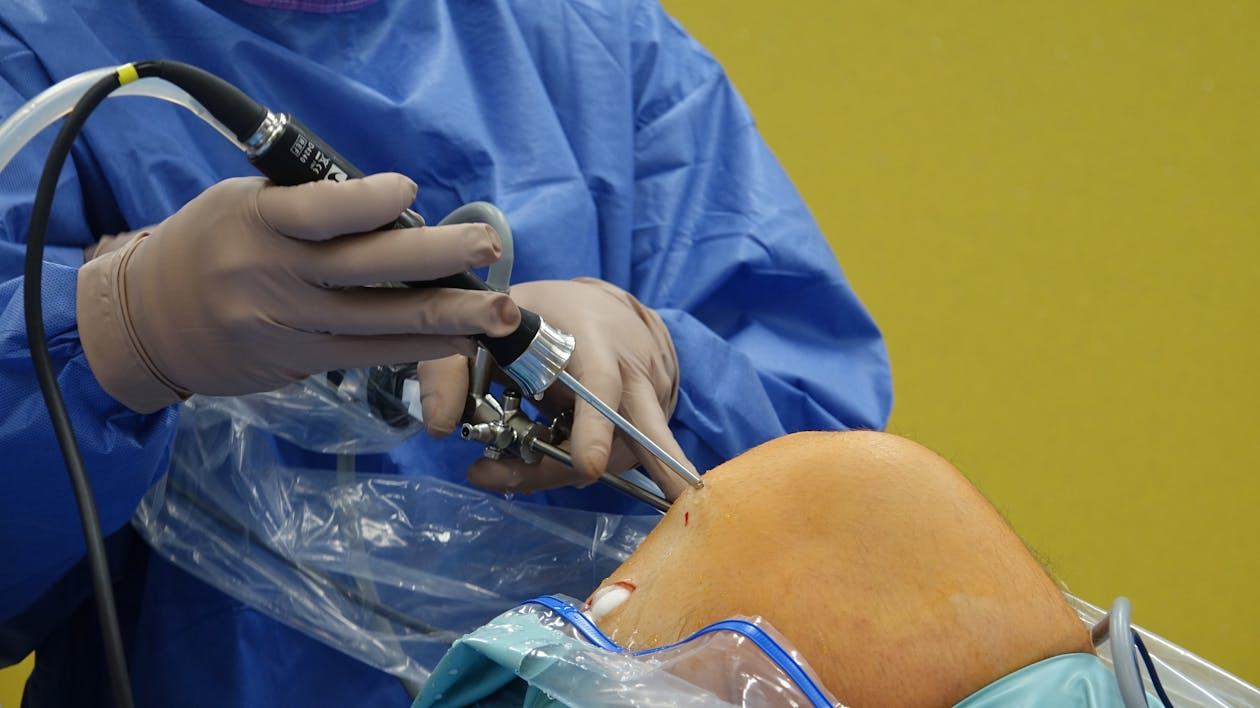
Take appendicitis, for example. It’s one of the most common emergency surgeries in Malaysia. But even something so routine can range from RM8,000 to RM18,000 depending on the hospital, surgeon, anesthesia team, and length of stay. Gallbladder removal, another common procedure, can cost between RM12,000 and RM22,000. Hernia repair might look simple from the outside, but once you add surgeon fees, anesthesia, operating theatre charges, consumables, and follow-ups, the total easily lands between RM7,000 and RM15,000. Cataract surgery costs RM4,000 to RM7,000 per eye, and orthopedic surgeries like ACL reconstruction are among the priciest, often running from RM20,000 to RM35,000.
Heart-related procedures deserve special mention because these are often sudden and urgent. A heart angiogram can cost anywhere from RM5,000 to RM10,000. If a stent is required due to blockage, the price jumps dramatically, often falling between RM25,000 and RM50,000 depending on the number of stents used. This is one of the procedures where many Malaysians realise the true financial shock of medical emergencies.
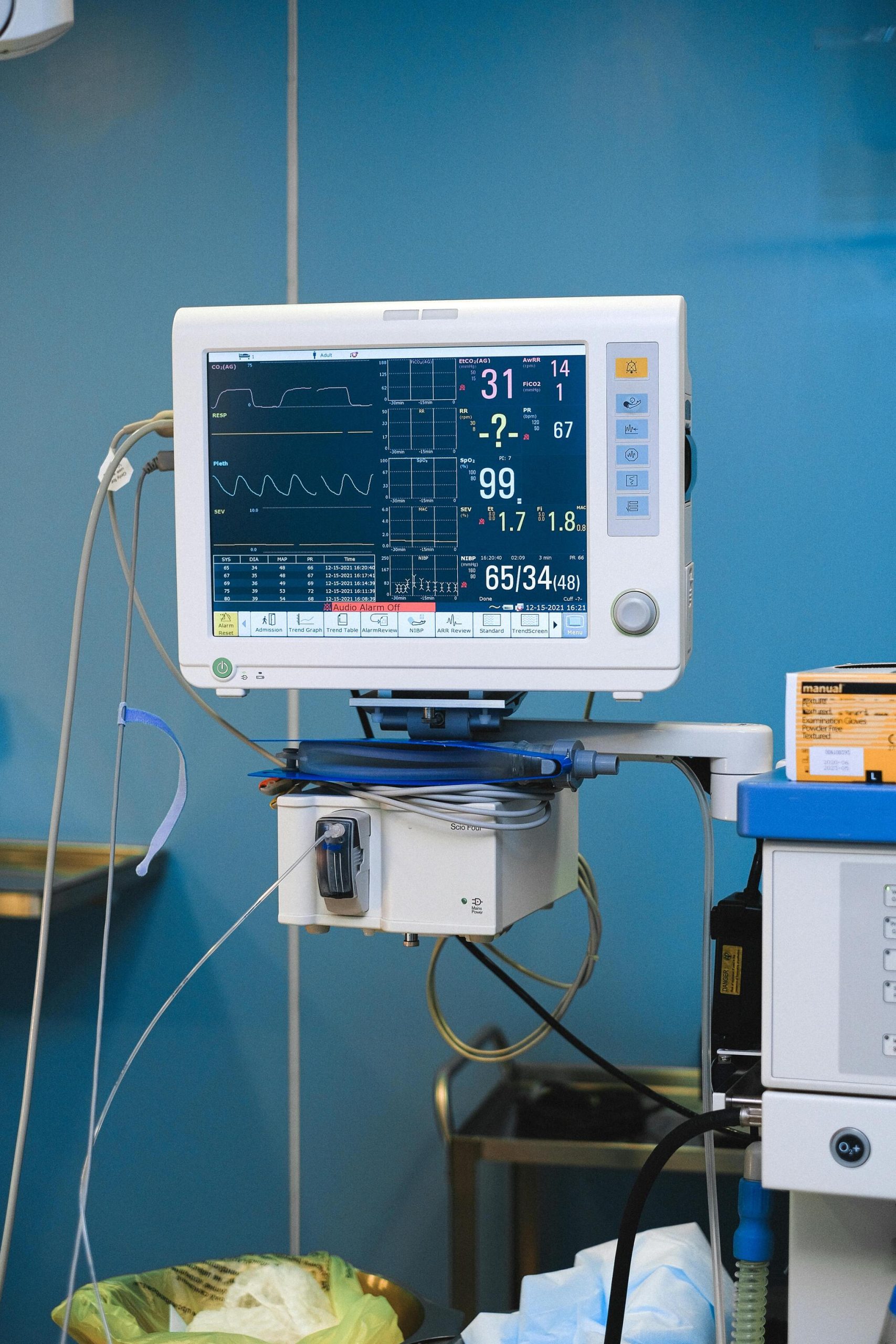
Critical illnesses like stroke, cancer, or heart attacks can be even more overwhelming. Stroke treatment in the acute phase typically ranges from RM15,000 to RM40,000, depending on severity and duration of hospitalization. A single cycle of chemotherapy can cost between RM4,000 and RM15,000 depending on medication, and patients often need multiple cycles. Intensive Care Unit (ICU) stays cost RM1,500 to RM3,500 per day and can quickly escalate if multiple days are required.
These are the reasons why many Malaysians fear falling sick — not because of the illness itself, but because of the potential financial destruction that follows. And sadly, many people only learn the hard way.
The Hidden Role of Room Charges and Daily Bills
Even if someone doesn’t require surgery, staying in a hospital overnight still comes with its own set of charges. Room rates vary widely depending on comfort level and hospital tier. A multi-bed ward may cost RM60 to RM120 per night, making it the most affordable option. Twin-sharing rooms cost around RM120 to RM250. Single rooms, which most patients prefer for privacy and rest, range from RM220 to RM450 per night. Premium rooms and suites — often found in high-end hospitals — can easily cost RM500 to RM1,500 per night.
But the room itself is just part of the story. A patient staying in the hospital is billed for daily visits by specialists, medication, nursing care, consumables like gloves and syringes, IV drips, dressings, and sometimes even meals. Each of these items might seem small in isolation, but together they often add hundreds of ringgit per day. It’s very common for patients to stay two or three nights for observation, especially in cases involving infections, abdominal pain, or breathing issues. Without noticing it, the bill gradually builds up.
Many Malaysians assume hospital meals are free, but in some hospitals, especially if you choose premium rooms or additional companion meals, there are separate charges. Even simple items like ECGs, oxygen therapy, wound cleaning, or physiotherapy can increase the total bill.
In short, daily hospital charges can silently accumulate even if you don’t undergo surgery — and this is where many families get caught off guard.
Why Top Hospitals Charge More
Malaysia is home to several tiers of private hospitals. Smaller community-level hospitals may be more affordable, while large, internationally recognised hospitals like KPJ, Pantai, Gleneagles, Sunway, Prince Court, and a few others tend to be more expensive. These hospitals provide premium facilities, advanced equipment, experienced specialists, and sometimes even international accreditation.
It’s common for the same procedure to cost 10–30% higher purely because of the hospital brand, location, and overall service standards. But many Malaysians willingly choose these hospitals because they trust the specialists there, they prefer the comfort and efficiency, or they simply want peace of mind during a stressful medical event.
Still, it’s important to be realistic — choosing a top-tier hospital means preparing for top-tier bills.
How Malaysians Actually Pay for Private Hospital Care
Here comes the honest truth: most people who go to private hospitals do not actually pay the bills out of their own pocket. They use medical cards. In fact, if you look at private hospitals across Malaysia, especially in Klang Valley, Penang, and Johor Bahru, the majority of patients use insurance during admission.
Medical inflation is rising every year, and between 2010 and 2025, costs have increased significantly. Many treatments that used to cost RM6,000 ten or fifteen years ago now reach RM12,000 to RM15,000. This is why medical cards have become almost essential, especially for families with children or aging parents. Without one, a single unexpected health event could wipe out years of savings.
A medical card acts as a financial buffer. It covers room charges, surgery, scans, ICU stays, specialists’ fees, and even emergency admissions. For many Malaysian families, it’s not just a “nice to have,” but a necessity — especially if they want fast treatment and the option to choose their doctor.
How Much a Medical Card Costs (And Why It’s Worth It)
Surprisingly, many Malaysians still believe medical coverage is expensive. But the monthly cost is actually quite manageable when compared to the financial risk you’re avoiding. Most adults pay somewhere between RM80 and RM450 per month depending on age, coverage, and insurer. Children’s coverage ranges from RM40 to RM90 per month, and many insurers now offer family plans that combine multiple members under one package for a lower per-person cost.
When you compare this to a hospital bill of RM25,000 or RM50,000, the insurance premium suddenly feels small and reasonable. A single surgery or accident could cost more than 5 years of insurance premiums combined. That’s why more Malaysians are choosing to get covered earlier — before illnesses, lifestyle diseases, or age complicate the approval process.
Who Needs a Medical Card the Most
In simple terms, anyone who wants the peace of mind of fast treatment, good care, and financial protection should consider having a medical card. This includes young working adults, parents with small children, self-employed individuals, and anyone without corporate insurance. Even people with aging parents are now purchasing coverage early on because they’ve witnessed how expensive hospital bills can be.
A medical card isn’t just about yourself — it often becomes a way to protect your family’s financial stability. Many Malaysians share stories of how their savings were drained to pay for a spouse’s surgery, or how siblings had to collect money to pay for a parent’s heart procedure. These experiences change the way families view insurance forever.
Who May Not Actually Need One
There are exceptions. Some people have a strong corporate medical plan that already includes high annual and lifetime limits. Others may genuinely struggle with affordability and have no choice but to rely on the public healthcare system, which still remains an important and reliable safety net. Individuals with severe pre-existing conditions may also face difficulty getting coverage. For these groups, it’s not always practical or possible.
However, for the majority of Malaysians who can afford even the lower-end plans, not having coverage is a huge risk — especially when private healthcare is the preferred option in times of emergency.
Final Reflection: Private Healthcare Is Excellent — But You Must Prepare
Malaysia is fortunate to have world-class private hospitals. They offer high-quality medical care at a fraction of the price compared to developed countries. The facilities are modern, the doctors are experienced, and the service is generally very good. But the reality remains: private healthcare comes with a price. And the price is not always affordable to the normal households, which form the majority of us in Malaysia.
Understanding what you’re paying for, knowing the actual costs of treatment, and planning ahead can save you and your family from unnecessary stress during emergencies. A hospital admission is already emotionally difficult — the last thing anyone wants is financial worry on top of a health crisis. Prevention is also the best cure – by leading a healthy lifestyle, Malaysians can help prevent occurrences of severe diseases that require complicated, costly treatments. This also helps to keep medical cost inflation at bay, and can allow better access to healthcare for people who really need it.






Leave a Reply